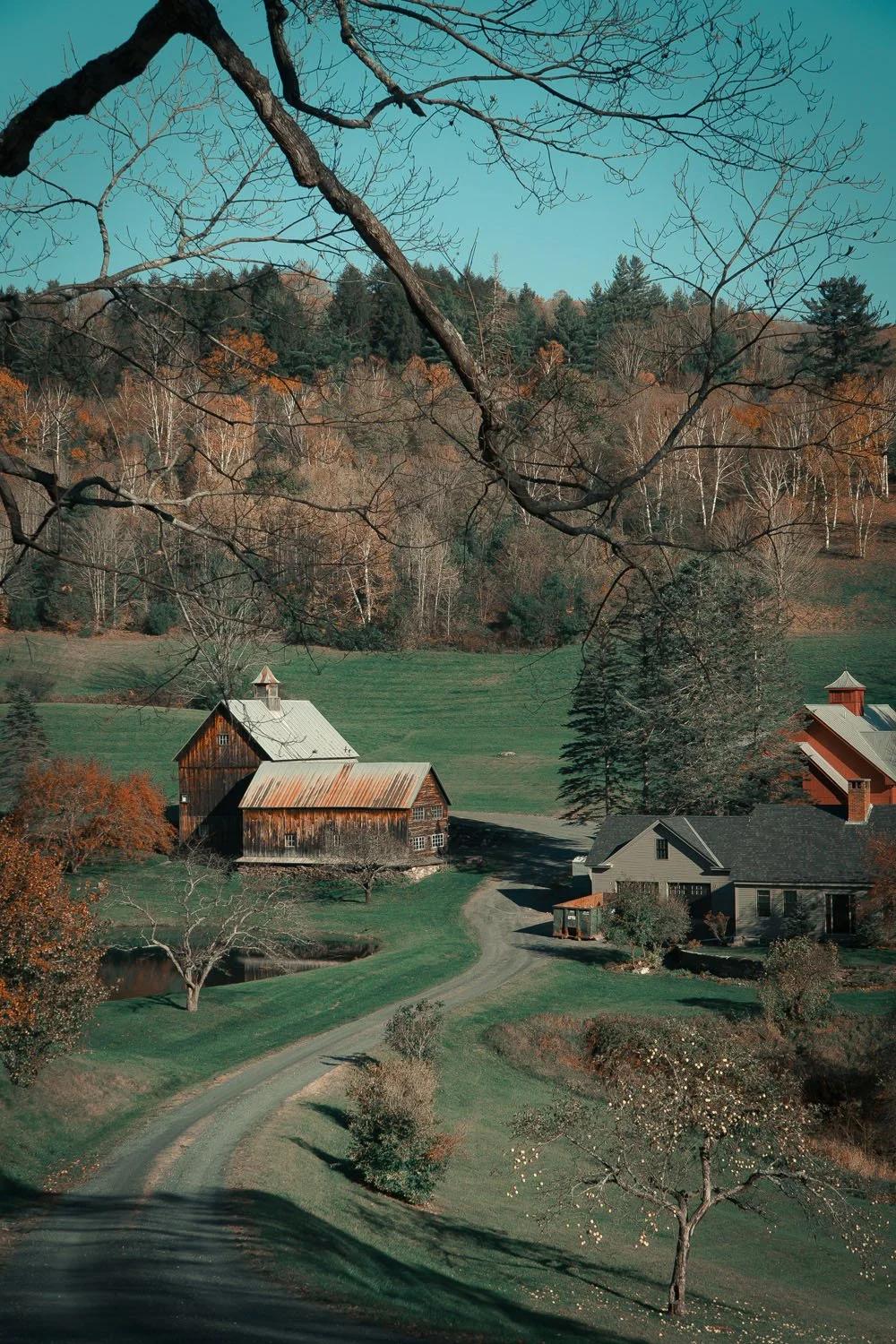
Buy agricultural land
To expand your farming operation and provide stability and security, protecting against economic shifts and providing a tangible asset.

Your land is your most valuable long term asset, and agricultural lending is our specialty at AgriFarm Capital - it's what we do best.
 Farmers
 Vineyard owners
 Farm operators
 Agricultural producers
 Ranchers
 Agribusiness owners
 Fruit growers
 Crop producers
 Dairy farmers
 Equestrian ranch owners
 Growers
 Livestock producers
To expand your farming operation and provide stability and security, protecting against economic shifts and providing a tangible asset.
Reduce payments to improve cash flow, ease financial stress, and create more opportunities for growth and savings with lower interest rates.
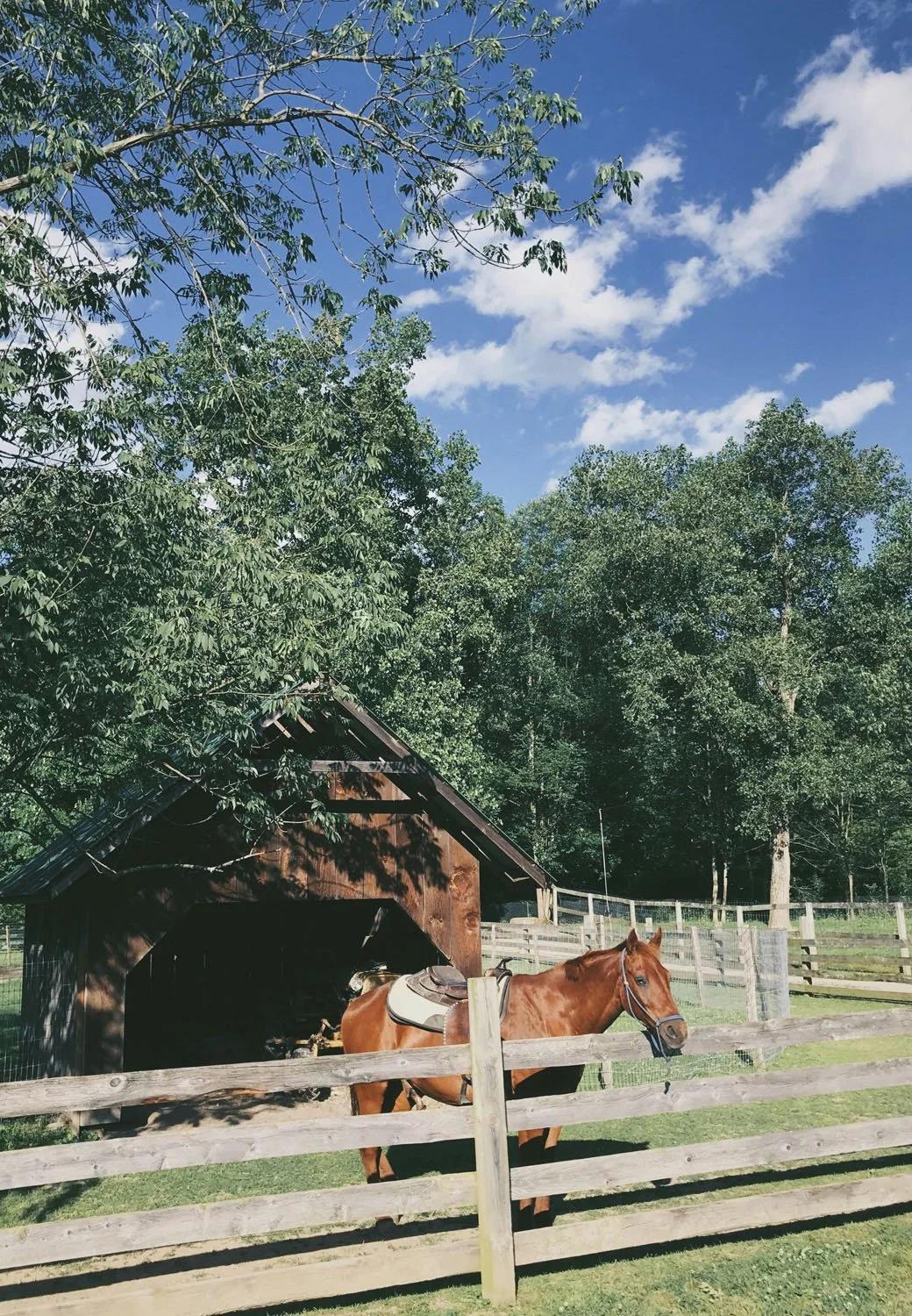
Access extra funds for improvements, consolidate higher-interest debts, or invest in new opportunities, all while potentially lowering your interest rate.
AgriFarm Capital is an agricultural mortgage lender that can lend nationwide.
We have the ability to lend on all types of Agricultural Real Estate: Farm Land, Crop Production, Livestock, Poultry, Dairy, Orchards, Vineyards, Equestrian Ranches, Nut Farms, Hobby Farms, and New Generation Farmers.
We understand the unique needs of agricultural borrowers, offering customized loan solutions that support farm operations, seasonal cash flow, and long-term growth, so you can focus on cultivating success.
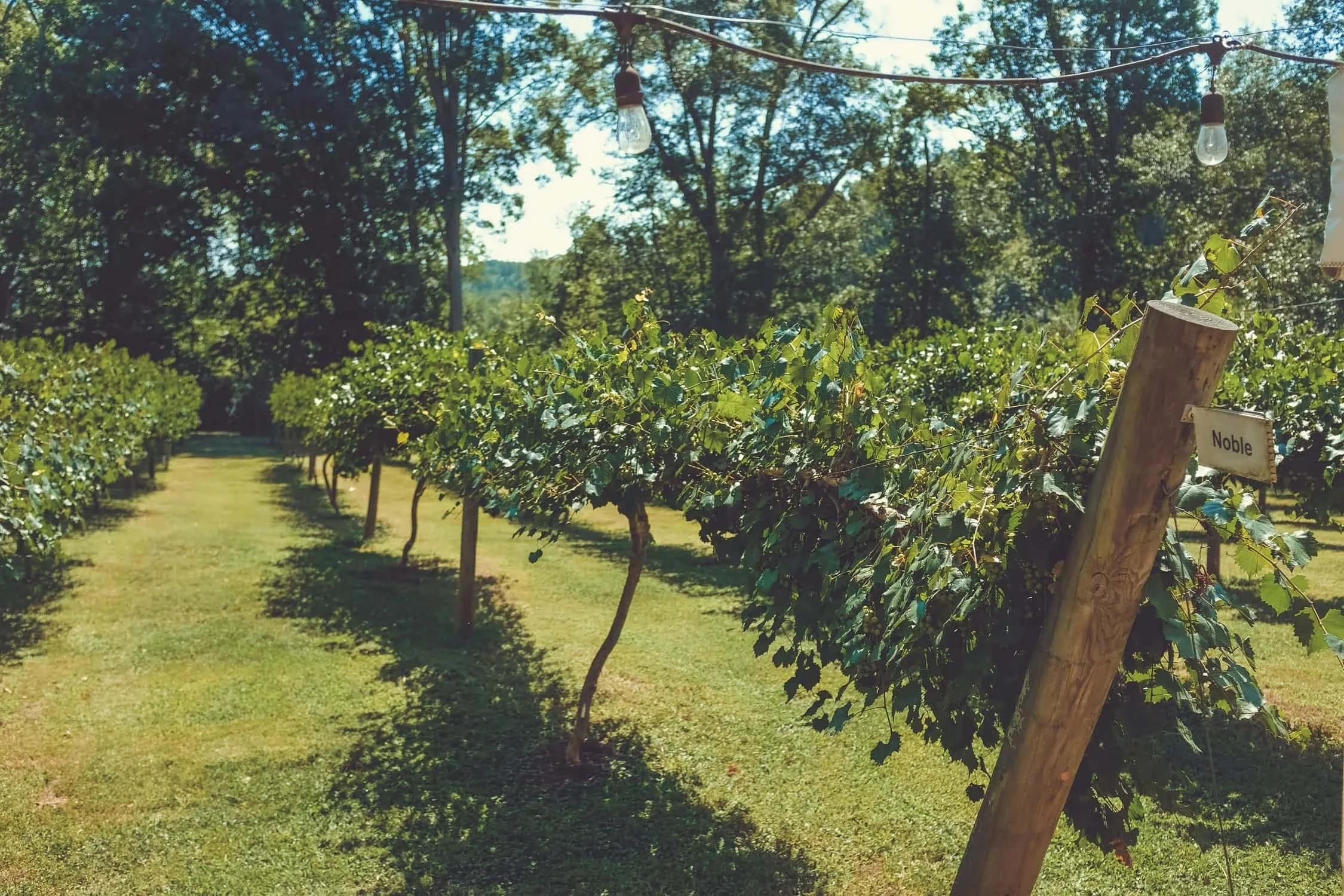

A 29-year veteran of the mortgage industry with a deep commitment to supporting agricultural borrowers. Alan founded Silicon Valley Mortgage in 2001 with the mission of serving California and New York homeowners, but his expertise extends well beyond residential financing.
Over the years, he has expanded the firm's offerings to include a wide array of loan products, including agricultural loans specifically tailored for the unique needs of farmers, ranchers and agricultural businesses.









Fill out our quick online questionnaire here

Schedule a call with one of our Mortgage Advisors here

Upload your application documents to our secure portal

Receive a call from your Mortgage Advisor to finalize your application

Celebrate! Our clients are always shocked by how simple the process is!
"I had an excellent experience working with Alan at AgriFarm Capital to get an agricultural loan for purchasing my 128 acre ranch.
I could tell by the questions he asked that he knew his stuff and I felt comfortable working with him right off the bat. The loan went super smooth and my wife and I were very happy with the process and the rate we got. If you're looking for someone knowledgeable and reliable for agricultural loans, I would highly recommend Alan."
Walter (Walt) A.
Don't see your question?
The best loan for agricultural land is usually a Farm Loan, an Agricultural mortgage, a USDA
loan or an Agricultural Bridge Loan. These loans are specifically made for buying or financing
farmland or rural property, so they’re a good fit for agriculture needs.
Property must be suitable for agricultural purposes (farming, ranching, etc.)
There must be a minimum of 5 - 10 acres
Be prepared to make a down payment of at least 25-30% of the purchase price or have equivalent equity in the property if refinancing
Good credit scores with a minimum FICO score of 660
The loan cannot exceed a certain percentage of the property’s value, typically 70-75%
Debt Service Coverage Ratio - DSCR compares gross income generated by the property to the mortgage debt service- mortgage payment, taxes and insurance payments.
The debt-to-asset ratio is calculated by dividing the total debt by total assets. A lower ratio is considered better, as it indicates less financial risk.
Some lenders require some farming/ agricultural experience
The value of the dwelling and other permanent outbuildings may have specific limits relative to the total property value
Agricultural loan interest rates vary based on several factors including down payment and what category of loan your scenario falls into. As of November 2024, rates vary from 5.5% to 8% with loan terms as high as 40 years.
It is important to note that these rates are subject to change based on economic conditions and specific lender criteria
For purchasing farms, ranches or any agricultural land, the down payment may depend on the income generated by the property but be prepared to make at least a 25- 30% down payment.
Yes. The USDA , Farm Service Agency and Farm Credit Services offer special loans for farmers.
These programs often have specific eligibility requirements. They can come with lower rates and down payments and also longer repayment terms to keep your payment down.
Yes. You can lower your interest rate and monthly payments, or you can access extra funds to make improvements, consolidate your debts or invest in new opportunities.
Your refinancing options will depend on current mortgage rates compared to existing rates, as well as changes in the borrower’s financial situation.
Yes, you can get an agricultural mortgage on raw undeveloped land, though the requirements are typically stricter.
The lenders view these loans as higher risk because of the lack of immediate income production.
The down payments can be higher and lenders will require stronger personal income and financial credentials such as higher credit scores and larger cash reserves to qualify.
Working Farm Loans typically feature lower down payments, reduced interest rates, longer repayment terms, a variety of financing options, and more flexible credit requirements.
Since working farms generate income, qualifying for these loans is often easier.